TL;DR:
AI search is destroying the traditional web economy by providing direct answers instead of driving traffic to original sources. Publishers are losing revenue while smart brands adapt by optimizing for AI citations rather than search rankings.
Key Changes in the New Search Landscape:
- Zero-click search means AI answers questions without users visiting original sources
- Major publishers have lost 50%+ of their Google traffic since 2022 as AI Overviews replace clicks
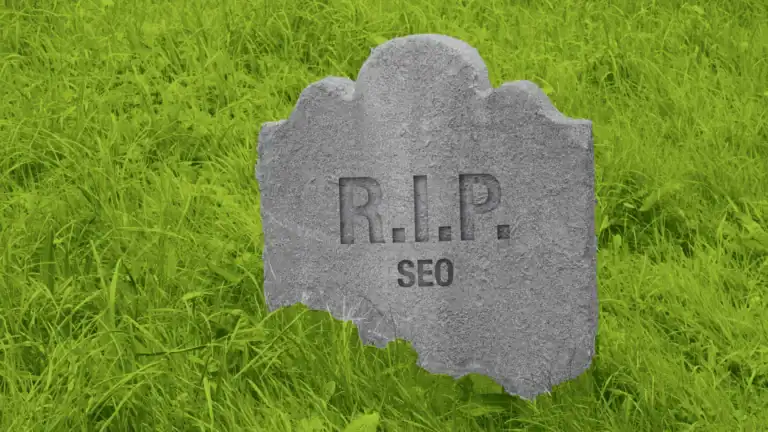
- Traditional SEO focused on rankings is dead - brands now optimize for AI citations and mentions
- Search happens everywhere now - TikTok, LinkedIn, Reddit, and ChatGPT all influence visibility
- Publishers are pivoting to newsletters, paywalls, and exclusive content AI can't replicate
- Smart brands build presence across all platforms where AI systems gather information
- Success requires offering unique value that can't be synthesized or commoditized by AI
Intro:
The numbers are brutal. Since 2022, search traffic to major news publishers has dropped by more than half. HuffPost, The Washington Post, and dozens of other outlets are watching their main revenue source dry up. The reason isn’t another tech giant or economic crash—it’s that we’ve moved from searching for information to having it served up on a platter.
The numbers are brutal. Since 2022, search traffic to major news publishers has dropped by more than half. HuffPost, The Washington Post, and dozens of other outlets are watching their main revenue source dry up. The reason isn’t another tech giant or economic crash—it’s that we’ve moved from searching for information to having it served up on a platter.
The Click Economy Just Collapsed
The Atlantic’s CEO Nicholas Thompson recently told investors his company is getting ready for “a future with zero Google traffic.” He’s not being dramatic—he’s being realistic. When AI can pull information from multiple sources and package it into one clean answer, why would anyone click through to the original?
This changes how information moves online. Old-school search created a competition where the best content fought for attention. AI search creates a blender where multiple sources get mixed into one answer, often without saying where it came from. The value gets taken, but the money doesn’t go back to whoever created it.
Search Isn't Just Google Anymore
More than 40% of Gen Z searches happen on TikTok now. LinkedIn’s AI features are becoming the go-to for B2B research. Reddit’s deal with OpenAI means random conversations now influence what AI knows. The brands that get this are building presence everywhere, knowing that visibility today means being everywhere at once.
Fighting Back
Publishers aren’t giving up. The New York Times is trying AI-powered newsletters that give you something search can’t. Axios is focusing on original research and exclusive access. The Wall Street Journal is building subscriber-only AI tools that turn their content into an advantage instead of just another source to be mined.
This goes way beyond media. In a world where AI answers everything, businesses need to either offer something truly unique or risk disappearing into the background noise. The companies that are winning aren’t just changing their content—they’re rethinking what they’re actually selling in a world where information gets mixed up and repackaged instantly.
The web we grew up with—built on links and clicks and page views—is turning into something completely different. The question isn’t whether this will happen, but who gets to decide what the new rules look like.
“We built the web on links and clicks. Now AI is turning it into a giant blender where your content gets mixed up and served without the check. The companies that survive this won’t just adapt their content – they’ll completely rethink what they’re selling.”
— Wayne Clayton, The AI Answer Man
Call to Action
Want help training your team or building smart ChatGPT workflows?
👉 Book a Free AI Readiness Call with Importynt AI
We’ll show you how to turn ChatGPT into your team’s secret weapon.